
Retro Website Design: A Guide for Authentic 70s–90s Aesthetics
Retro website design has become a relevant visual direction for brands wanting to evoke nostalgia while maintaining modern usability. A well-executed retro approach can strengthen a brand’s mood and differentiate it in competitive digital environments.
This guide explores the foundations, the essential elements that define it, and 10 unique retro-style website design inspirations across industries.
Core Characteristics of Retro Website Design
Before exploring specific examples and style applications, it’s helpful to understand the core characteristics that define retro design and shape its visual identity.
1. Vintage Color Palettes
Muted oranges, warm browns, faded greens, pastel blues, dusty yellows, neon accents, and soft gradients, all reflect the iconic palettes of the 70s–90s. These color choices can instantly establish mood and era.
2. Grain, Noise, and Analog Textures
Film grain, subtle scratches, paper textures, and noise overlays give digital layouts a tactile, handcrafted feel. These touches help reduce visual sterility and introduce depth and warmth.
3. Pixel Art and Low-Fidelity Graphics
Pixel shapes, low-resolution illustrations, and geometric patterns are ideal for those exploring 90s website design styles. They mimic early gaming interfaces and old operating systems, suitable for creative studios and indie brands.
4. Classic and Retro Script Typography
Classic serifs, bold display lettering, cursive scripts, and pixel-inspired typefaces all play a central role in shaping the retro mood, offering era-specific visual cues that reinforce 70s–90s aesthetics.
5. Patterned Backgrounds and Decorative Borders
Checkerboard patterns, stripes, halftone dots, floral motifs, and neon geometric accents help define vintage web design, especially for fashion, music, and youth-focused brands.
6. Nostalgic Iconography
Tape cassettes, floppy disks, old cameras, arcade buttons, photo frames, and vintage signage symbols reinforce the personality of retro aesthetics when used with restraint.
Also Read: Parallax Website Design: Key for Visual Depth in 2025
10 Inspiring Examples of Retro Website Design
Below are ten conceptual examples showcasing how different industries can incorporate vintage-style web design inspiration into their digital presence.
1. Gonzo Yard Service
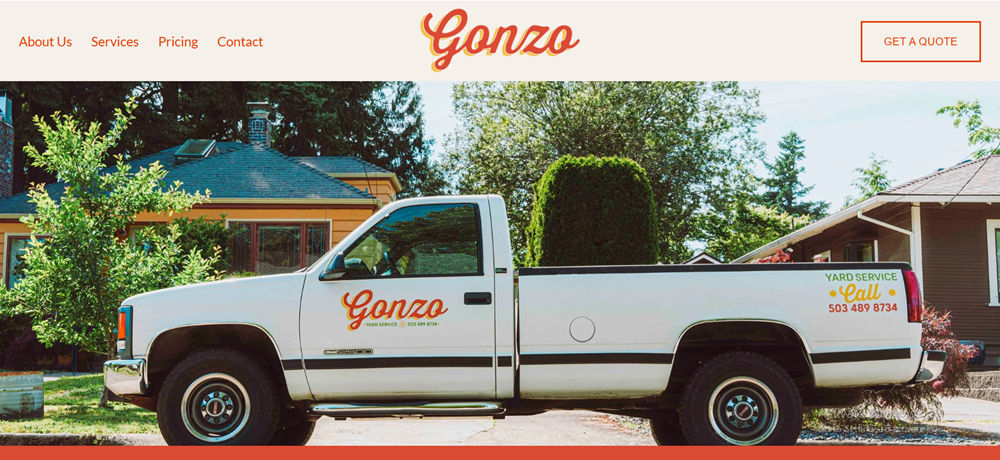
Gonzo Yard Service’s website uses a heritage-inspired visual style with earthy, muted color tones, classic serif-style headings, and structured, brochure-like layouts that echo vintage local service advertising. The mix of honest, straightforward copy, analog-feeling photography, and clean navigation creates a grounded, trustworthy atmosphere that subtly reflects retro craftsmanship while maintaining modern usability.
2. Boldare Boards
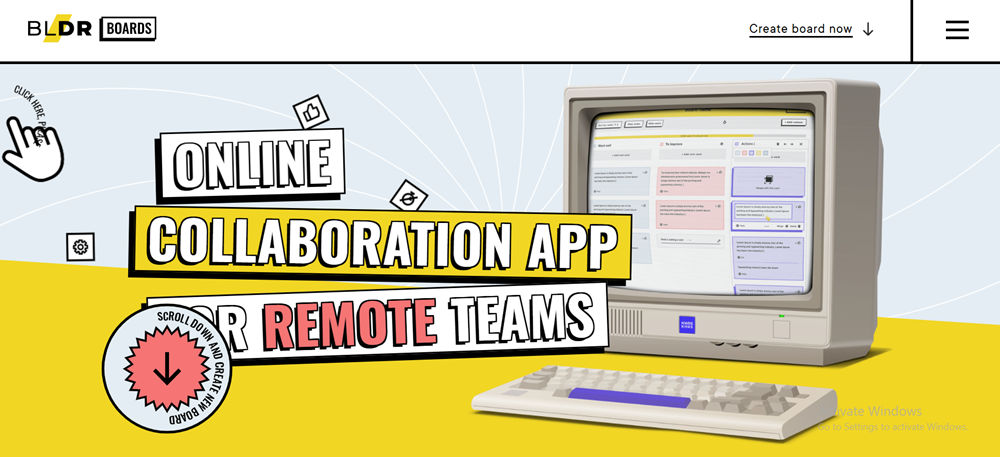
Boldare Boards blends retro style with modern functionality, using a clean interface and a 70s-inspired black base with a mint-teal and muted mustard tones palette that creates a nostalgic feel. Its mix of vintage elements and contemporary interactions makes it a strong reference for collaboration tools seeking a more character-rich aesthetic.
3. StrategyFolk

StrategyFolk’s website shows how retro elements can enrich a B2B layout. Pixel-style typography and blocky character graphics add early gaming charm to a clean interface, supporting the brand’s claim of being “a very different resource sourcing firm” and helping it stand out.
4. Enigma
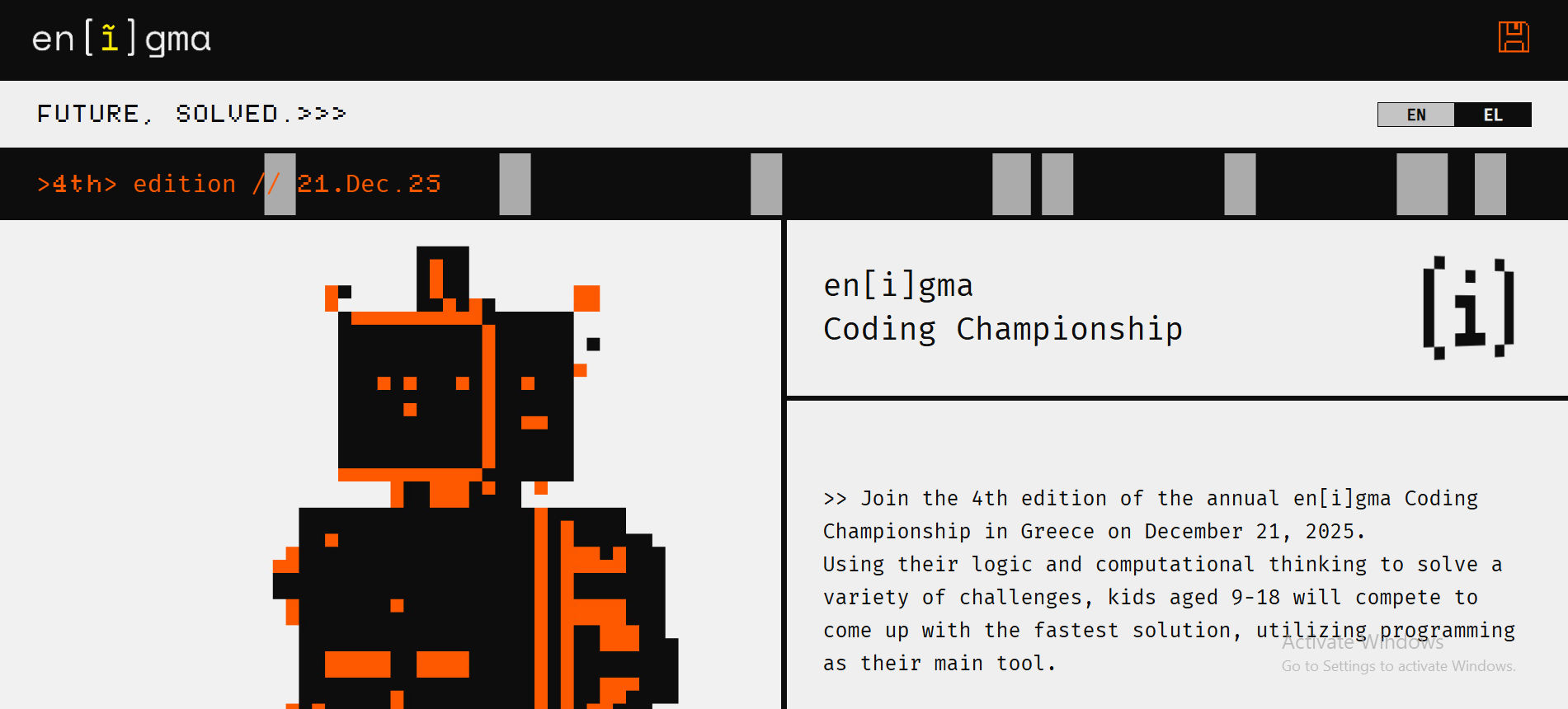
The en[i]gma Coding Championship website features bold retro-computing visuals, using pixel animations, game-like graphics, and a vibrant palette to build energy. Pixel fonts, a speech-bubble cursor, and a floppy-disk menu icon complete the 80s-inspired look.
Also Read: Conversion Mastery: 10 Best Converting Landing Pages Strategies
5. Niccolò Miranda
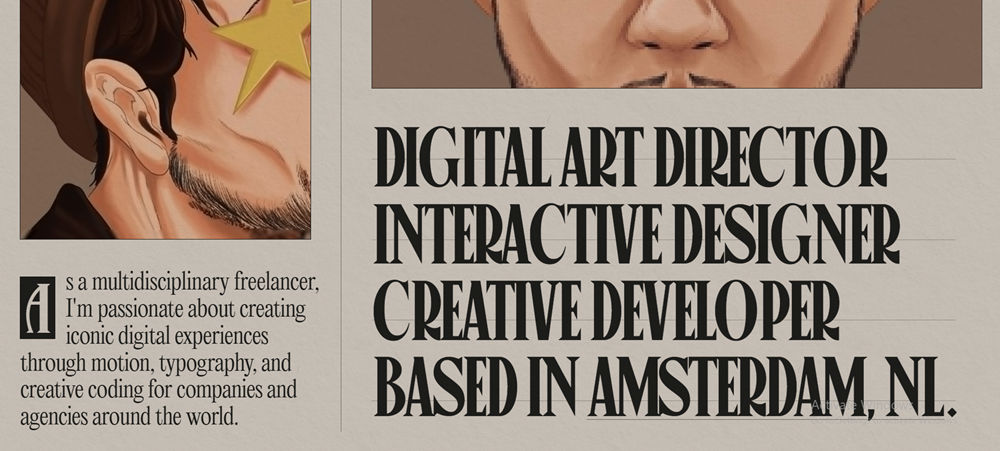
Niccolò Miranda’s website combines vintage newspaper-inspired design with modern interactive features. A paper-textured background and serif tight-spacing-style typography establish a nostalgic tone, while draggable project sections and smooth transitions add a dynamic, contemporary layer to the overall experience.
6. Kalso
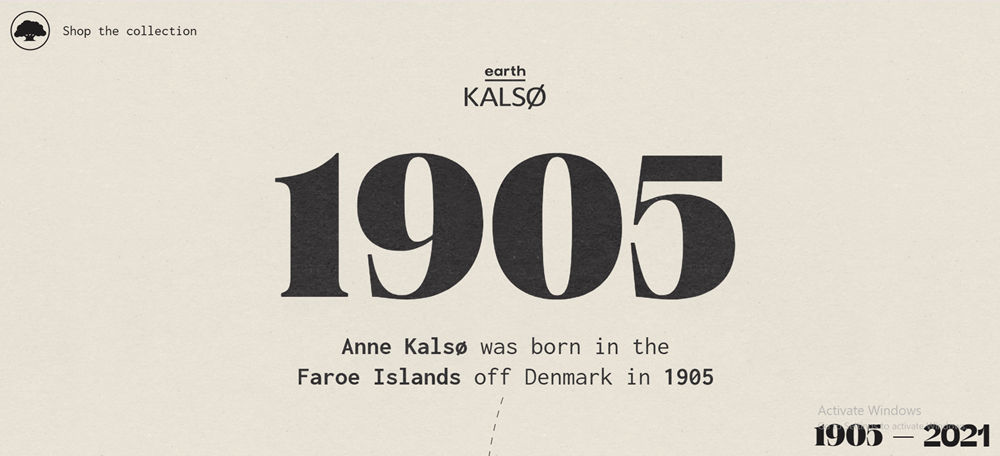
Kalso’s website uses classic, editorial-inspired typography reminiscent of vintage print catalogs and manual layouts, combined with muted earth tones such as warm browns, soft off-whites, and faded reds. The timeline-based structure, vintage photography, and subtle animations create a restrained retro atmosphere while keeping the experience clean and easy to navigate.
7. Harvard Film Archive
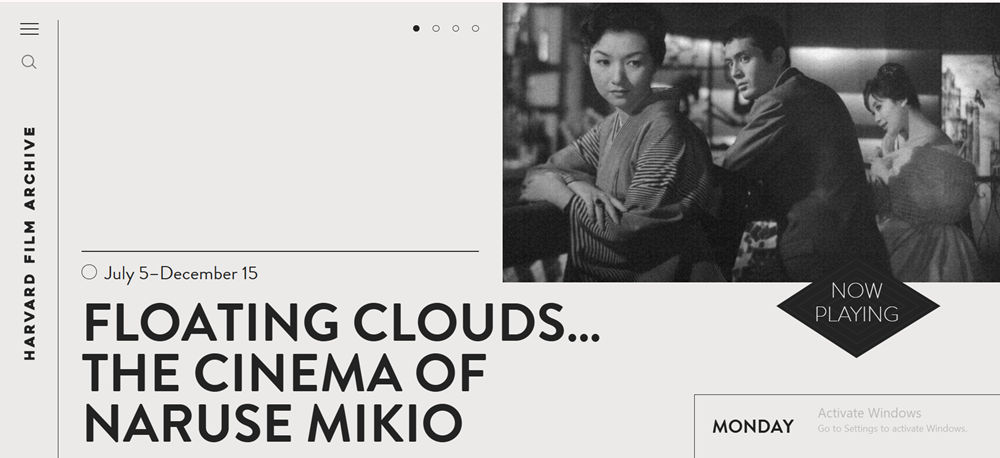
The Harvard Film Archive website incorporates several retro-inspired touches, but the standout features are its classic illustrations and ledger-like blog layout. This approach highlights the films effectively while avoiding the more distracting color treatments or decorative retro elements often used in similar designs.
Also Read: Top 5 AI for Product Design to Try and Master in 2025
8. Abel’s on Queen Barbershop

Abel’s on Queen Barbershop showcases a classic vintage aesthetic that reflects the traditional barbershop atmosphere. Retro-toned visuals, elegant serif typography, and a muted color palette create a sense of heritage, while the clean layout and simple navigation contribute to a smooth user experience.
9. Mochi Online Shoppu

Mochi’s online store pairs a clean, modern layout with subtle pixel-inspired details. Its mostly black-and-white palette, accented with occasional bright colors, keeps the interface clear and user-friendly while adding a light retro touch.
10. Heritage Type
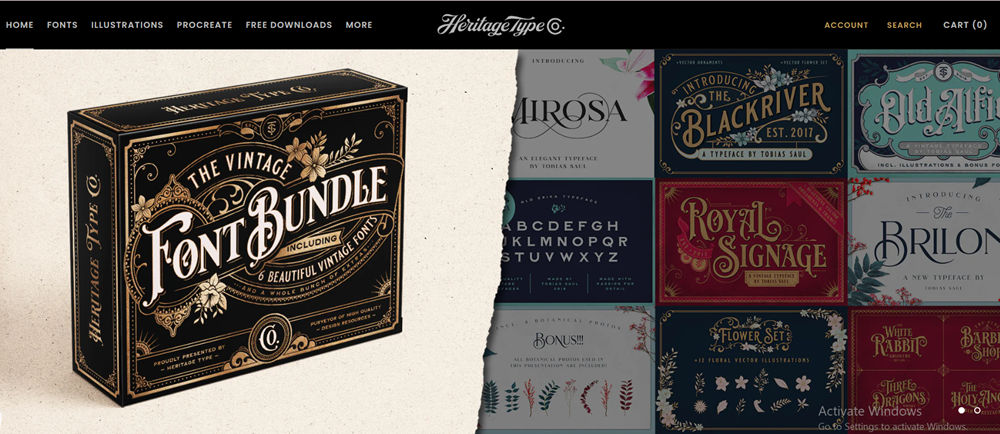
Tobias Saul’s typography storefront highlights a rich collection of vintage-style lettering, showcased through detailed graphics and a classic gold, black, and red palette. The site offers strong inspiration for retro-themed projects, even though many of the type designs lean more toward Victorian influences.
Also Read: 6 Best Practices in Marketing Automation for Effective ROI Booster
Elevate Your Retro Website Design With the Right Typography Choice
Incorporating an adventure cursive font can elevate your designs with expressive lines and a handcrafted feel. Its flowing style adds emotion and makes titles, logos, and branding instantly more memorable.
For even greater impact, explore premium typefaces that offer refined curves, cleaner outlines, and advanced stylistic features. The Display Fonts Collection and other curated picks from Eknoji Studio provide versatile options that blend adventure, elegance, and technical precision for professional-quality results.