
Retro Futurism Design: Examples, Key Characteristics, and Best Applications
In today’s fast-moving design landscape, retro futurism design has become increasingly popular for its unique ability to blend nostalgic memories of the past with bold futuristic imagination.
That’s why, exploring retro futurism for designers is an opportunity to expand creative possibilities, build a more expressive visual identity, and produce standout work in an increasingly competitive creative market. This article covers the core concept, key characteristics, five practical applications, and the best use cases of retro futurism in modern design.
What is Retro Futurism Design?
Retro futurism is a style that blends elements of the past and the future, creating visuals that evoke both nostalgia and a futuristic atmosphere. Essentially, this style reimagines how earlier generations, especially those from the mid-20th century, once envisioned the future.
Key Characteristics of Retro Futurism Style
In graphic design, retro futurism is often characterized by glossy chrome surfaces, glowing neon landscapes, cyber-inspired typography, curved aerodynamic forms, and analog interfaces combined with digital elements. Here is the breakdown.
1. Vibrant Neon Color Palettes
Retro futurism design is strongly associated with bold and vibrant colors such as electric blue, hot pink, neon green, and neon purple. These bright colors provide a strong 1980s-inspired visual identity and create a futuristic, energetic vibe.
2. Geometric Shapes and Retro Grids
Retro futurism style often features bold lines, triangles, ovals, curves, circles, and hexagons, which help structure the design and create a sense of order, reflecting early visions of future technology. Additionally, neon-lined grids, vanishing point grids, and wireframe landscapes are used to evoke the feeling of endless digital space, a visual hallmark popularized in the 1980s.
3. Glow Effects and Chrome Highlights
Glowing light effects and metallic chrome reflections are signature features of this design style. These elements are used because they play a key role in creating a sci-fi, high-tech, and futuristic atmosphere, which defines the identity of retro futurism. For example, chrome and metallic effects convey a modern feel and evoke imagery of space age-inspired vehicles, robots, or technology panels.
4. Classic Sci-Fi Elements
Elements like UFOs, planets, stars, galaxies, and alien landscapes are commonly used in retro futurism. Moreover, futuristic cities, skyscrapers with geometric designs, and grid horizons often appear to create a retro-futuristic world.
Classic sci-fi objects such as analog devices, circuit boards, rockets, robots, and vintage futuristic vehicles are also featured, which help to build an immersive visual narrative and give retro futurism its distinctive identity.
5. Retro-Futuristic Typography
One of the most important elements in retro futurism design is typography. This style typically uses bold, techno-styled, pixel-based, or geometric typefaces. Fonts such as neon signage styles, blocky sans-serifs, and futuristic typefaces are also commonly used to evoke the look and feel of space-age signage from the 1960s and 70s.
Also Read: Bold Minimalism: Design Examples and Key Differences from Maximalism
5 Examples of Retro Futurism Design Applications
Below are examples of retro futurism design applications, illustrating how this iconic visual style can be effectively used in graphic design, branding, and creative projects.
1. Nike’s “Time Capsule” Campaign
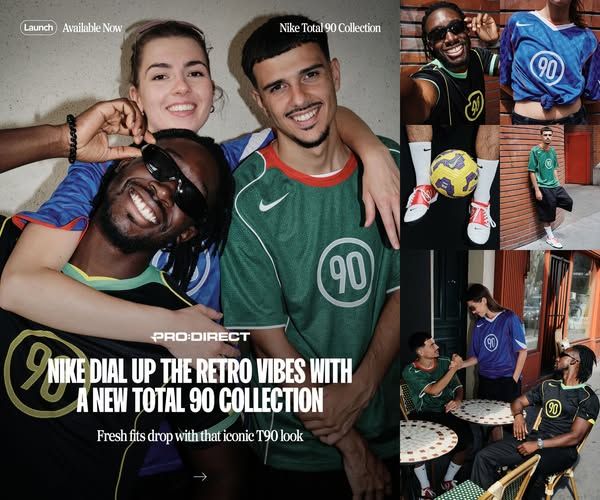
Nike’s “Time Capsule” campaign blended wireframe grid landscapes and VHS-style textures with interactive motion elements on its web layouts. Even the typography was animated to replicate the flickering of old CRT screens. The outcome was a brand story that felt both nostalgic and futuristic.
2. Hello Kitty’s x Puma 2025 Collaboration
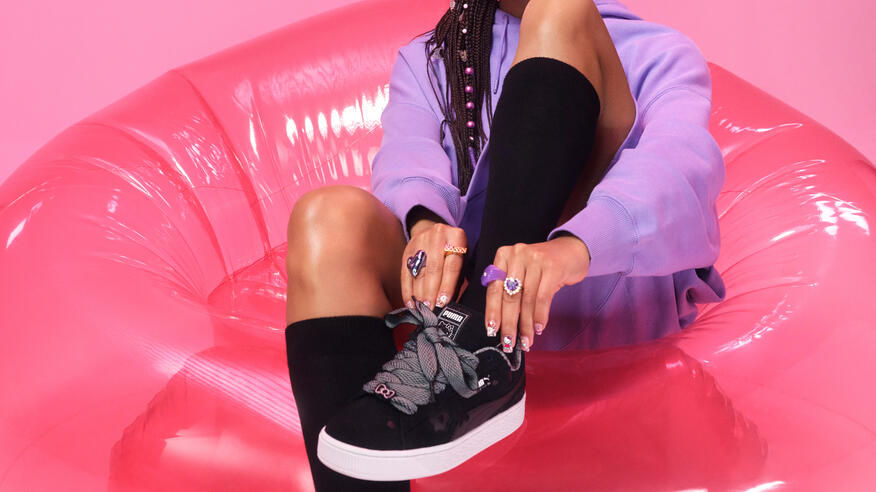
This collaboration is a prime example of retro futurism applied in branding and product campaigns. The campaign featured classic Yahoo-style interface buttons, glitter text, and pastel clouds, creating a vibe that felt straight out of a teenage Tumblr dashboard from the 2000s. Not only did the campaign go viral, but the product collection sold out in under 36 hours.
Also Read: Top 5 AI for Product Design to Try and Master in 2025
3. Louis Vuitton Cruise 2022 “Space Colony”
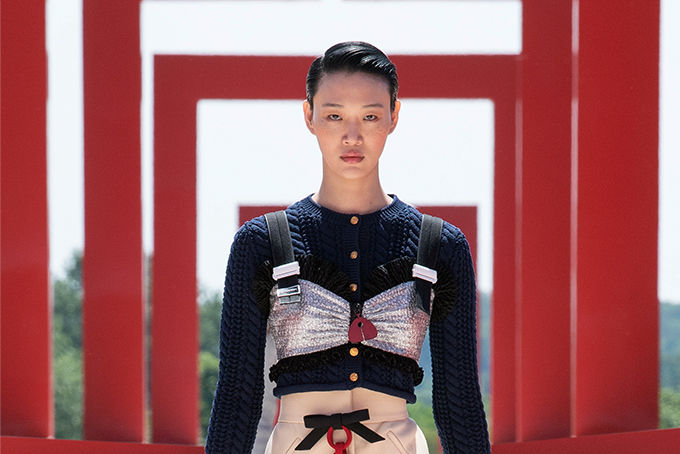
The Cruise 2022 collection is a reinterpretation of the retro-futuristic style, which combines modern fashion elements with futuristic concepts and space-inspired imagination. Some of the designs, such as boots, bags, and garments, are crafted to feel like “future clothing envisioned from the past,” reflecting the spirit of retro futurism.
4. Tesla Diner in West Hollywood
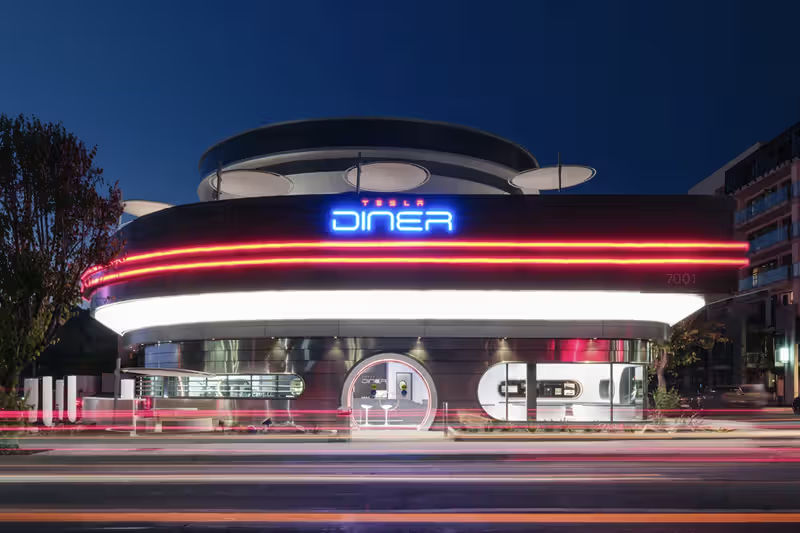
Tesla Diner’s curved, shiny exterior, metallic panels, and large glass surfaces evoke a retro “spaceship” or classic sci-fi diner vibe. Inside, neon lighting, modern fixtures, and sleek design details reflect a timeless futuristic aesthetic. It demonstrates that retro futurism isn’t limited to posters or illustrations but can also be realized in architecture, service experiences, and public spaces.
5. Spotify’s Experimental Playlists
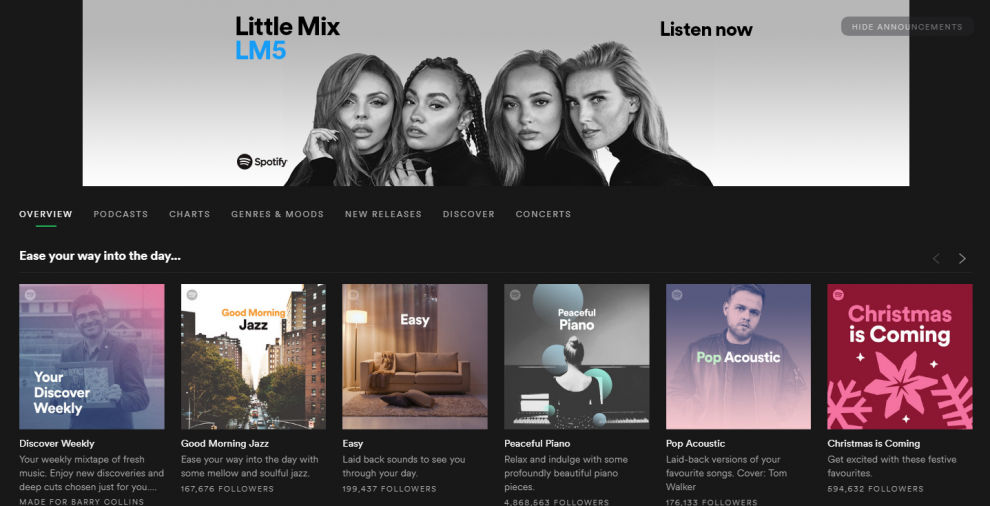
These playlists feature neon gradients, futuristic fonts, and micro-animations inspired by 1980s computer interfaces. They serve as a perfect example of retro futurism in digital design, combining visual elements and music to create an immersive, forward-thinking experience.
Also Read: 6 Essential Marketing Design Techniques for Effective Branding
When Is Retro Futurism the Right Choice?
Here are some ideal design contexts for using the retro futurism style:
- Designs for youth and Gen Z audiences, as the neon colors, chrome elements, and techno-inspired typography of this style align perfectly with Gen Z’s love for bold, expressive, and quirky aesthetics.
- Technology, sci-fi, or futuristic-themed designs, because retro futurism sets a futuristic tone while remaining relatable through nostalgic touches.
- Branding for creative and lifestyle products, as their aesthetic helps establish a strong and memorable brand identity.
- Packaging that aims to stand out, since neon colors, glow effects, and metallic visuals make products more eye-catching on shelves and digital platforms.
- Digital content and motion graphics that need impactful visuals, because glow effects, retro grids, and neon animations make this style highly effective for videos, reels, TikTok, YouTube bumpers, and visual campaigns.
Also Read: 10 Vivid Color Palette Ideas That Elevate Modern Branding
Create Effective Retro Futurism Design with Eknoji Studio
Retro futurism is a unique visual style that blends nostalgia from the past with futuristic imagination. Among all its design elements, typography stands out as one of the most powerful components. The right typeface can instantly convey both retro nostalgia and futuristic energy, even before shapes, grids, or glow effects are applied.
For designers aiming to create authentic and standout retro-futuristic visuals, exploring premium retro font collections at Eknoji Studio is highly recommended. Eknoji Studio offers a curated selection of script, display, and uniquely styled fonts that perfectly complement the retro futurism aesthetic. Find the perfect typeface for your next project by visiting the Eknoji Studio website!
Comments